D3 Tourism FEB UNRAM Holds “Aruna Goes To Campus” and Strengthens Collaboration with the Tourism Industry
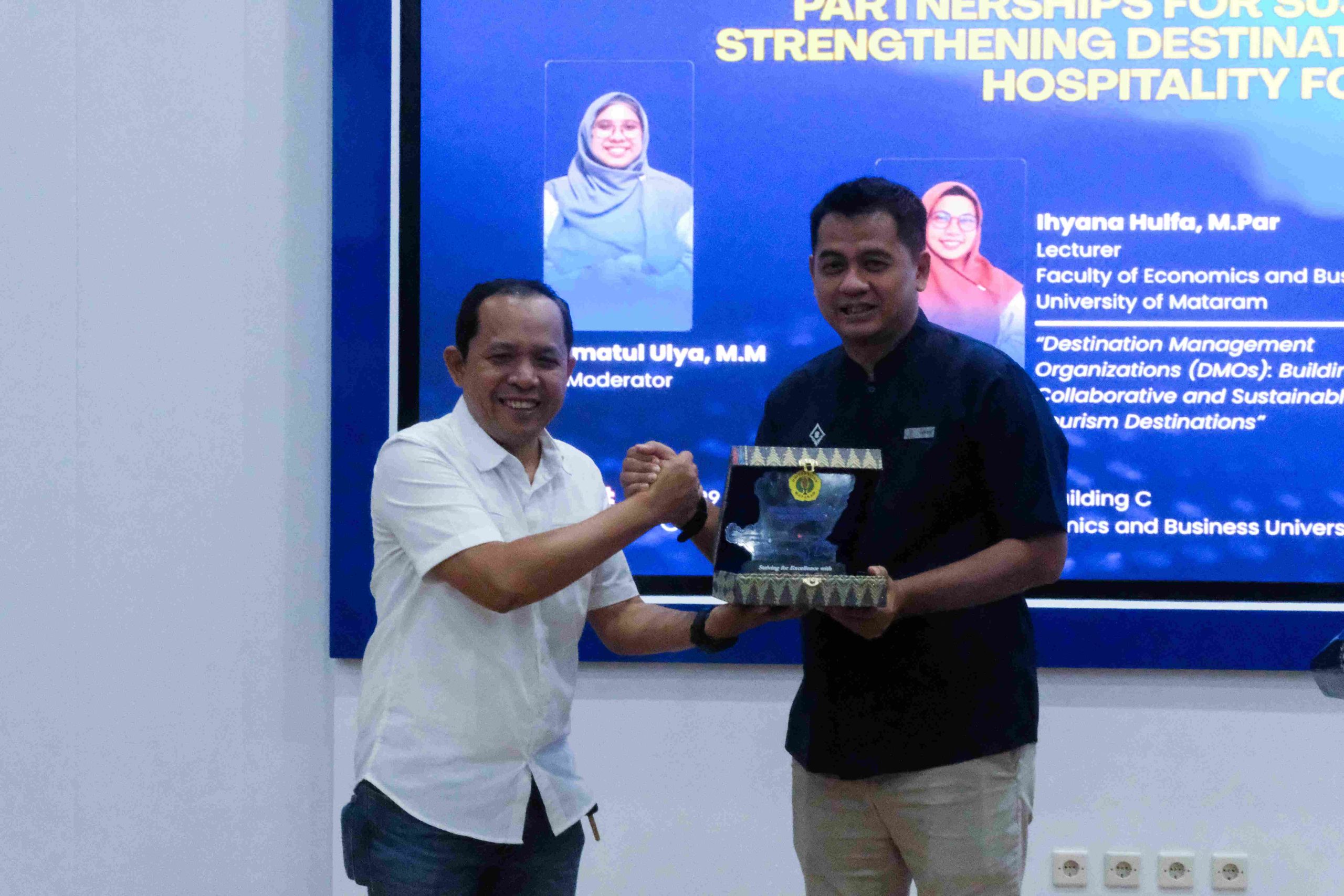
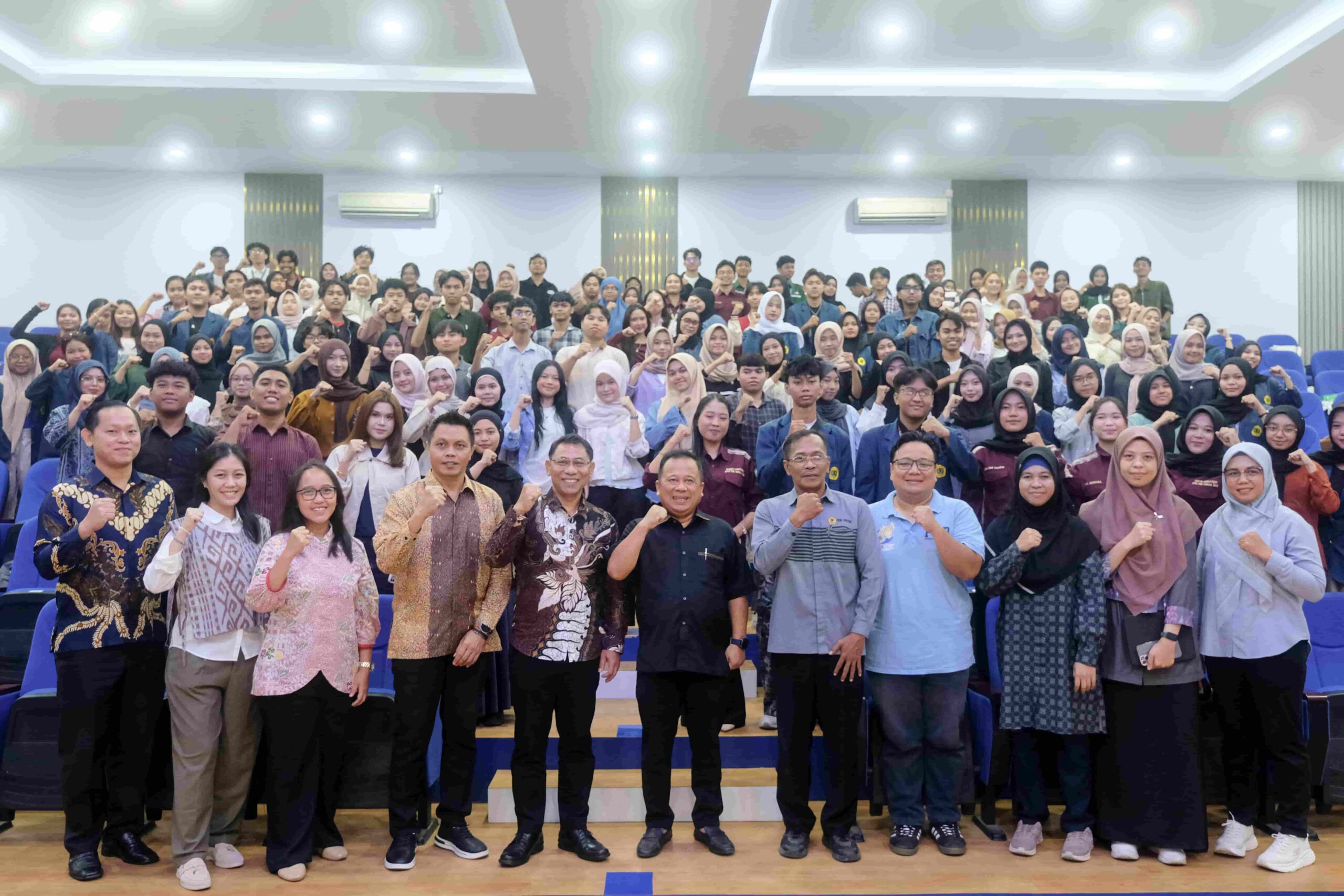
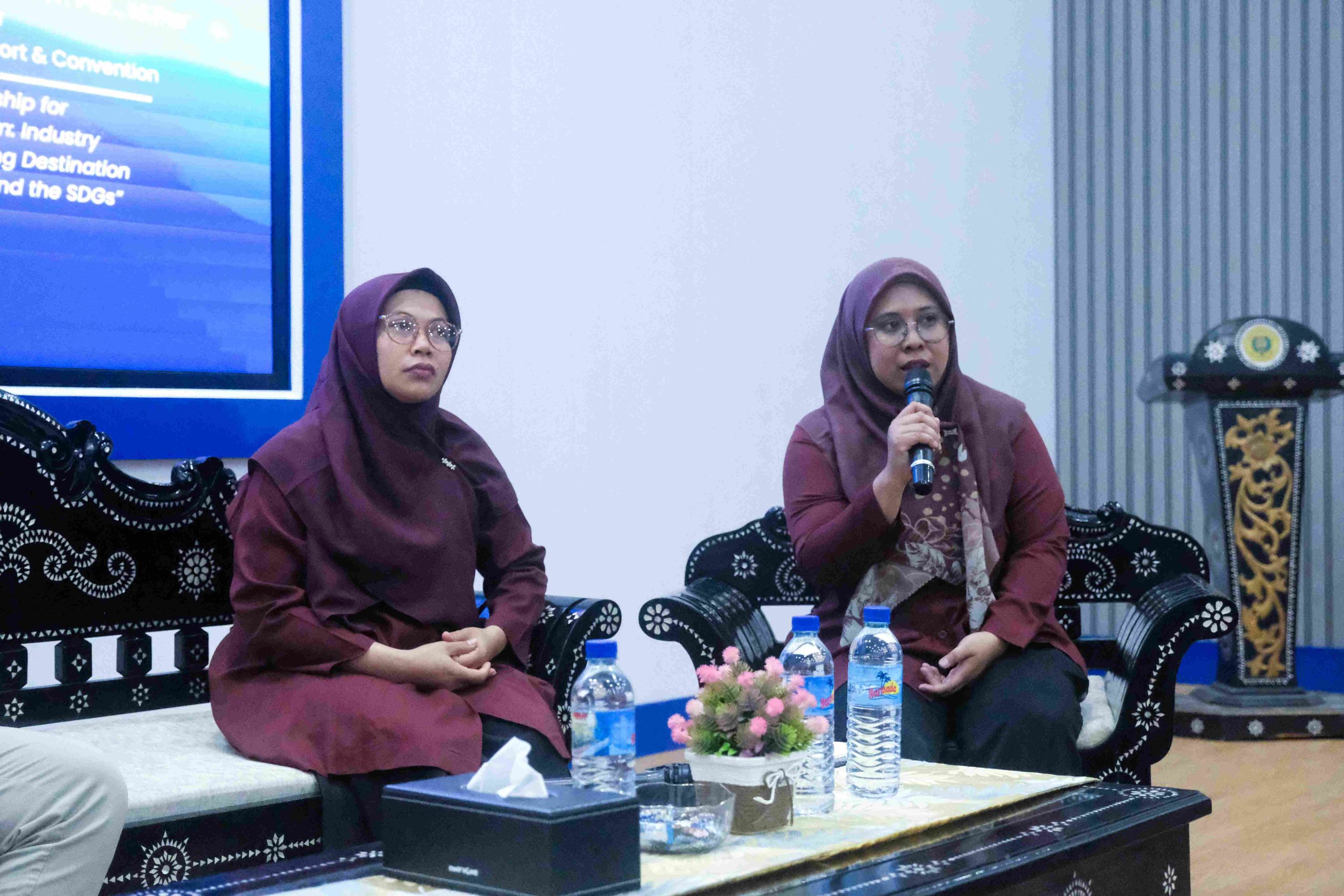
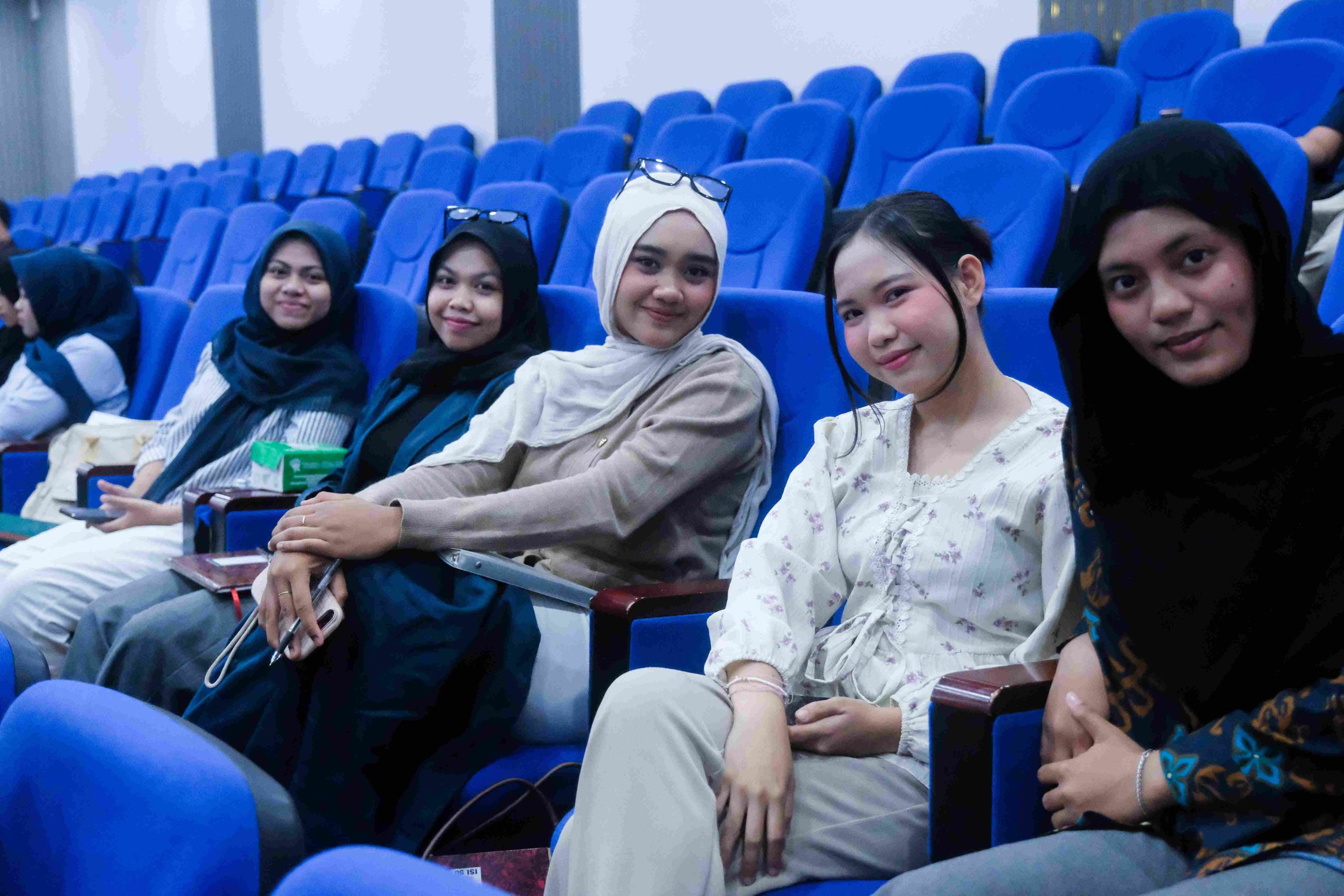
Mataram, September 29, 2026 — The Diploma III Tourism Study Program, Faculty of Economics and Business, University of Mataram (D3 Tourism FEB UNRAM), held “Aruna Goes To Campus” on Tuesday (September 29, 2026). Taking place at the FEB UNRAM Theater Room, the event served as a platform for interaction between academia and industry, providing students with insights into the development of the hospitality industry as well as the opportunities and challenges facing tourism in the future.
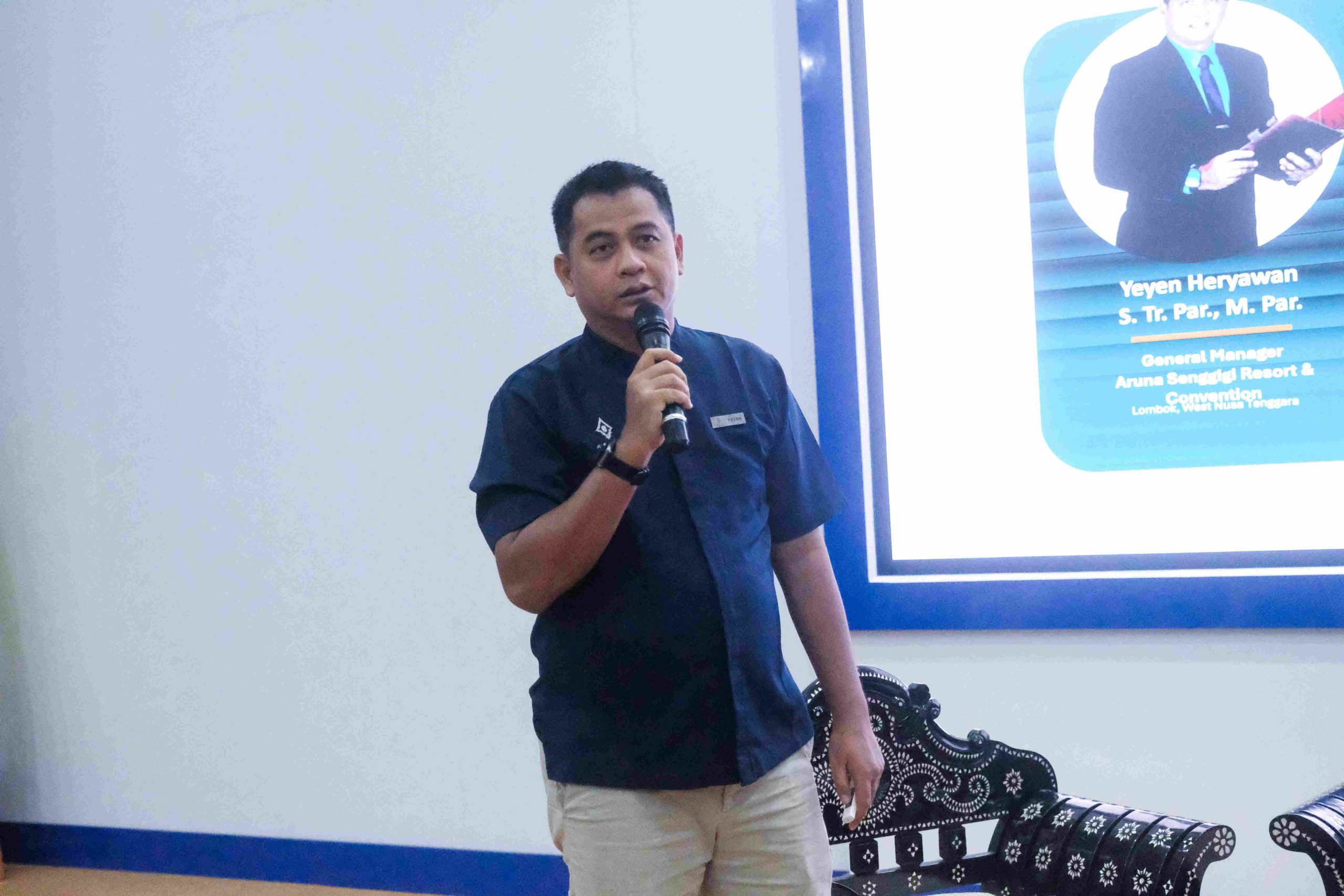
The event featured Yeyen Heryawan, S.Tr.Par., M.Par., General Manager of Aruna Senggigi Resort & Convention, as the speaker. With more than 14 years of experience in the hospitality industry across Indonesia, Brunei, and Pakistan, Yeyen Heryawan has a professional background in hotel operations, food and beverage, commercial performance, and destination development.
In his presentation, “Building the Future of Hospitality,” Yeyen discussed how the hospitality industry continues to evolve in response to changing guest expectations, technological developments, artificial intelligence (AI), digital platforms, and the use of data in industry operations. Sustainability was also highlighted as an increasingly important aspect of the hospitality industry and is no longer viewed merely as a marketing strategy.
The presentation also explored Lombok’s potential as a tourism destination, emphasizing that developing a destination requires more than attractive tourism sites. Hotels, restaurants, events, MICE activities, attractions, and creative businesses form an interconnected tourism ecosystem. Local communities and culture also play an important role in shaping the identity of a destination.
Within this context, Aruna Senggigi was introduced not only as a resort but also as part of Lombok’s broader tourism ecosystem. Aruna Senggigi plays a role as a workplace for hospitality professionals, a learning environment for students and young talent, a partner for local suppliers and communities, a host for events and experiences, and a platform where hospitality, business, people, and the destination come together.
One of the key topics presented was sustainable tourism and the Sustainable Development Goals (SDGs). The presentation highlighted how the tourism sector can contribute to sustainable development through job creation, skills development, community participation, support for local businesses, cultural preservation, responsible resource management, and collaboration among government, private sector, higher education institutions, and communities.
In the context of the hospitality industry, contributions to the SDGs can also be implemented through education and training, equal employment opportunities, job creation and local economic impact, responsible destination engagement, responsible consumption and production, reducing environmental impacts, raising awareness of coastal and marine ecosystems, and strengthening collaboration among stakeholders.
Furthermore, the presentation highlighted several sustainability initiatives undertaken by Aruna Senggigi, including the development of employees, interns, students, and future hospitality professionals; engagement with local talent, businesses, suppliers, and cultural stakeholders; energy-saving programs and food waste management; responsible use of resources; and support for the preservation of natural and cultural assets. Aruna Senggigi also emphasized the importance of partnerships with government institutions, corporations, communities, conservation initiatives, and universities.
Students were also encouraged to recognize that sustainable tourism development is not solely the responsibility of the industry, but requires contributions from individuals. The presentation emphasized the importance of continuous learning, creating value for guests and communities, respecting local culture and destination identity, using technology responsibly, considering the environmental impact of everyday decisions, and actively seeking opportunities to collaborate and contribute.
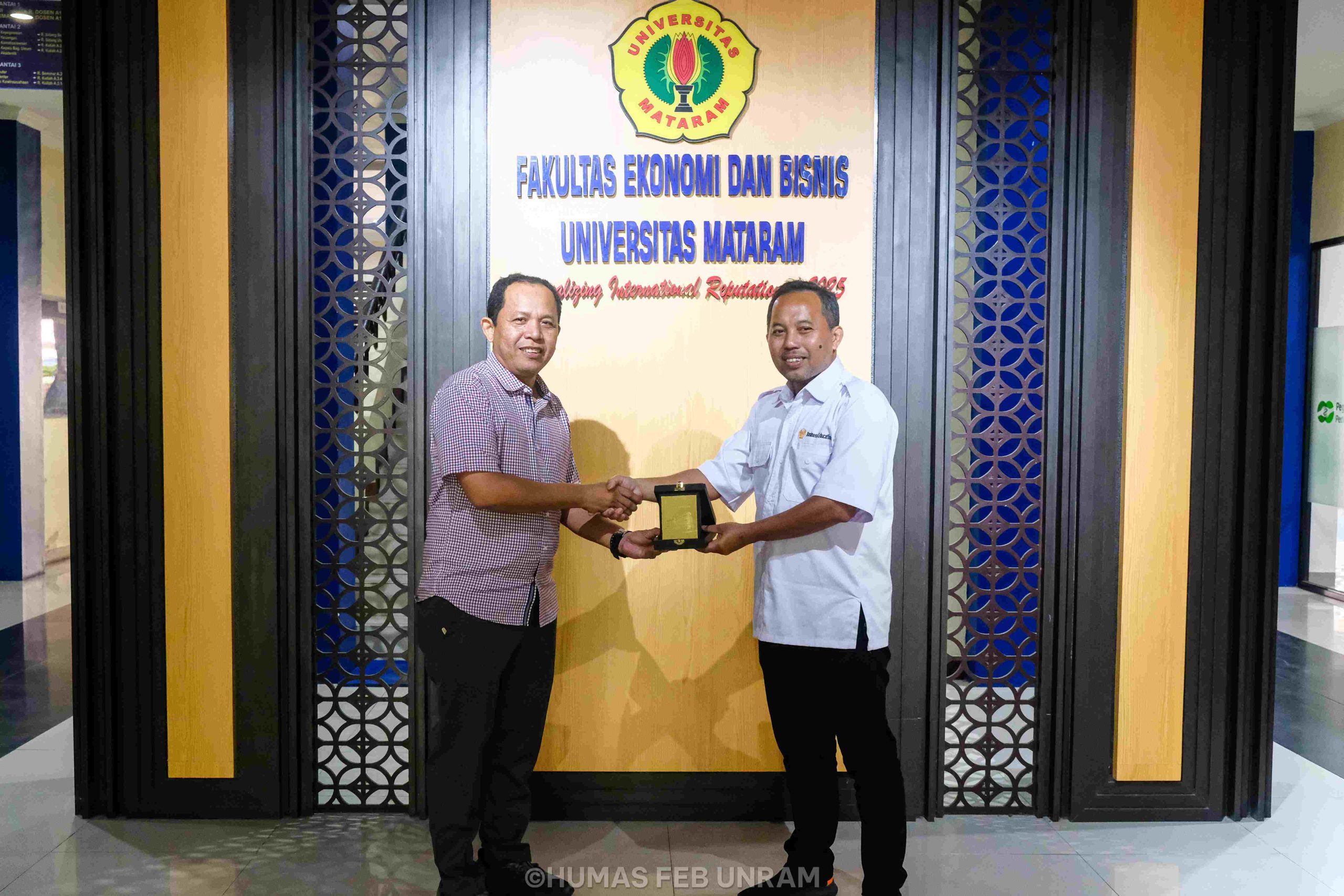
In addition to the Aruna Goes To Campus session, the event was also accompanied by the signing of an Implementation Agreement (IA) between Aruna Senggigi and three study programs within the Faculty of Economics and Business, University of Mataram: D3 Tourism, D3 Taxation, and D3 Accounting.
The signing of the IA marked a step toward strengthening the relationship between FEB UNRAM and the industry through collaborative initiatives that can support student competency development and expand opportunities for cooperation between higher education and industry.
For the D3 Tourism Study Program, the collaboration with Aruna Senggigi is closely aligned with the needs of vocational education in tourism and hospitality. Meanwhile, the involvement of D3 Taxation and D3 Accounting demonstrates that the tourism industry is also connected to various other fields of expertise, particularly in financial management, accounting, and taxation.
Through Aruna Goes To Campus and the signing of the IA, FEB UNRAM continues to strengthen the connection between higher education and industry. This collaboration is expected to provide students with greater opportunities to gain firsthand insights into industry developments while preparing them to become adaptive and competent professionals who can contribute to the advancement of sustainable tourism.
Photographer : Kiran
Editor : Adit