FEB Unram Strengthens Curriculum Transformation through the 2026 Curriculum Workshop Based on Outcome-Based Education
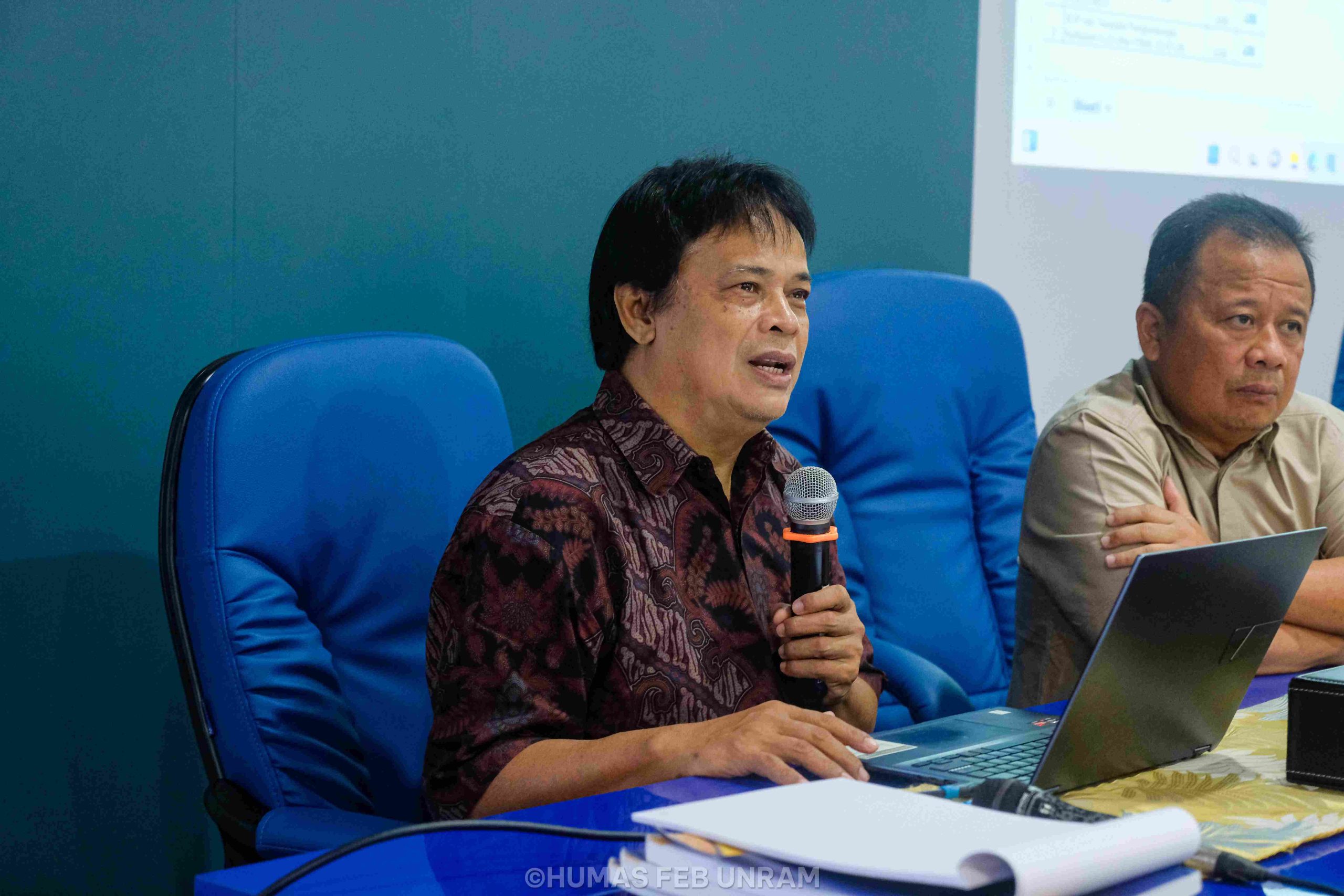
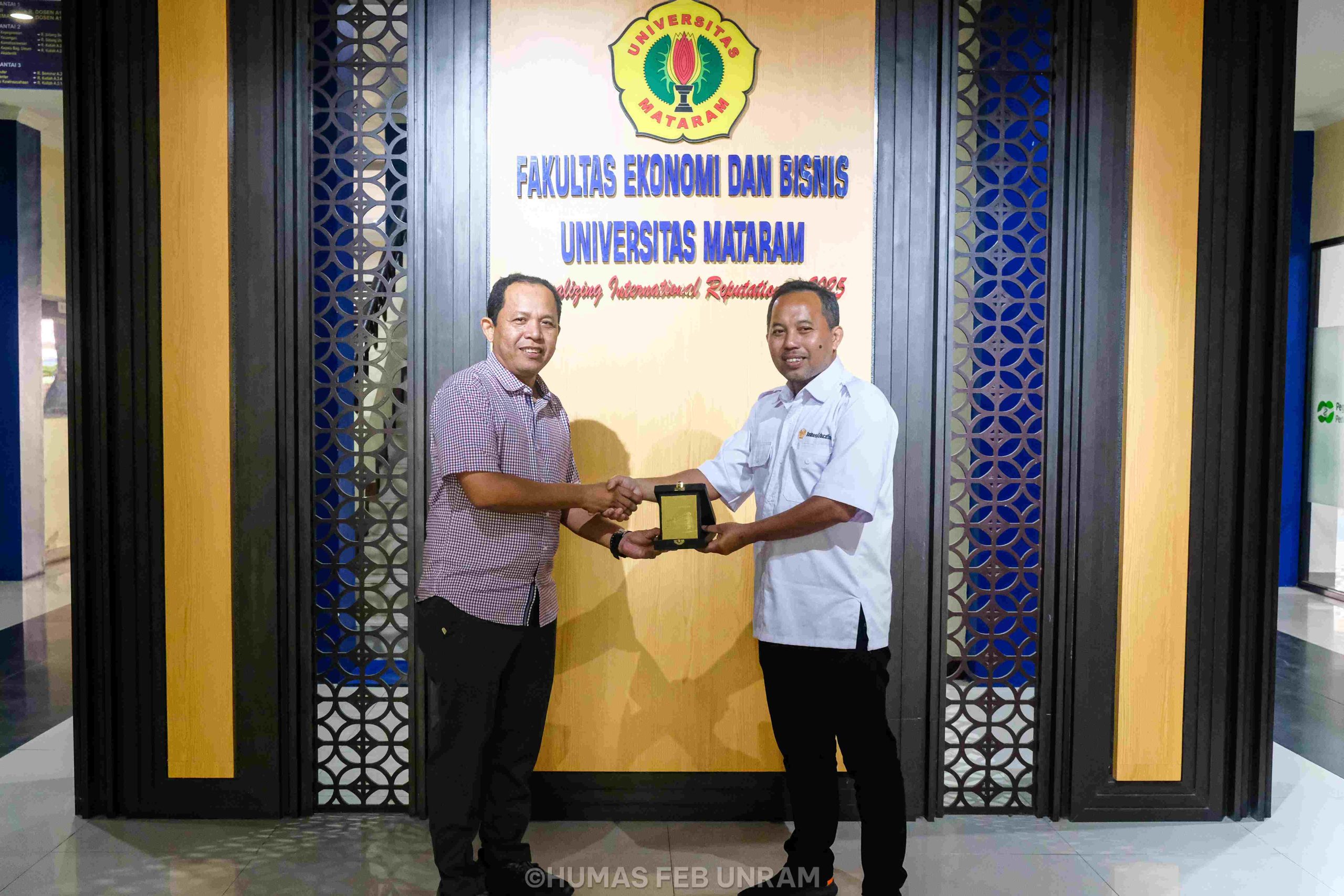
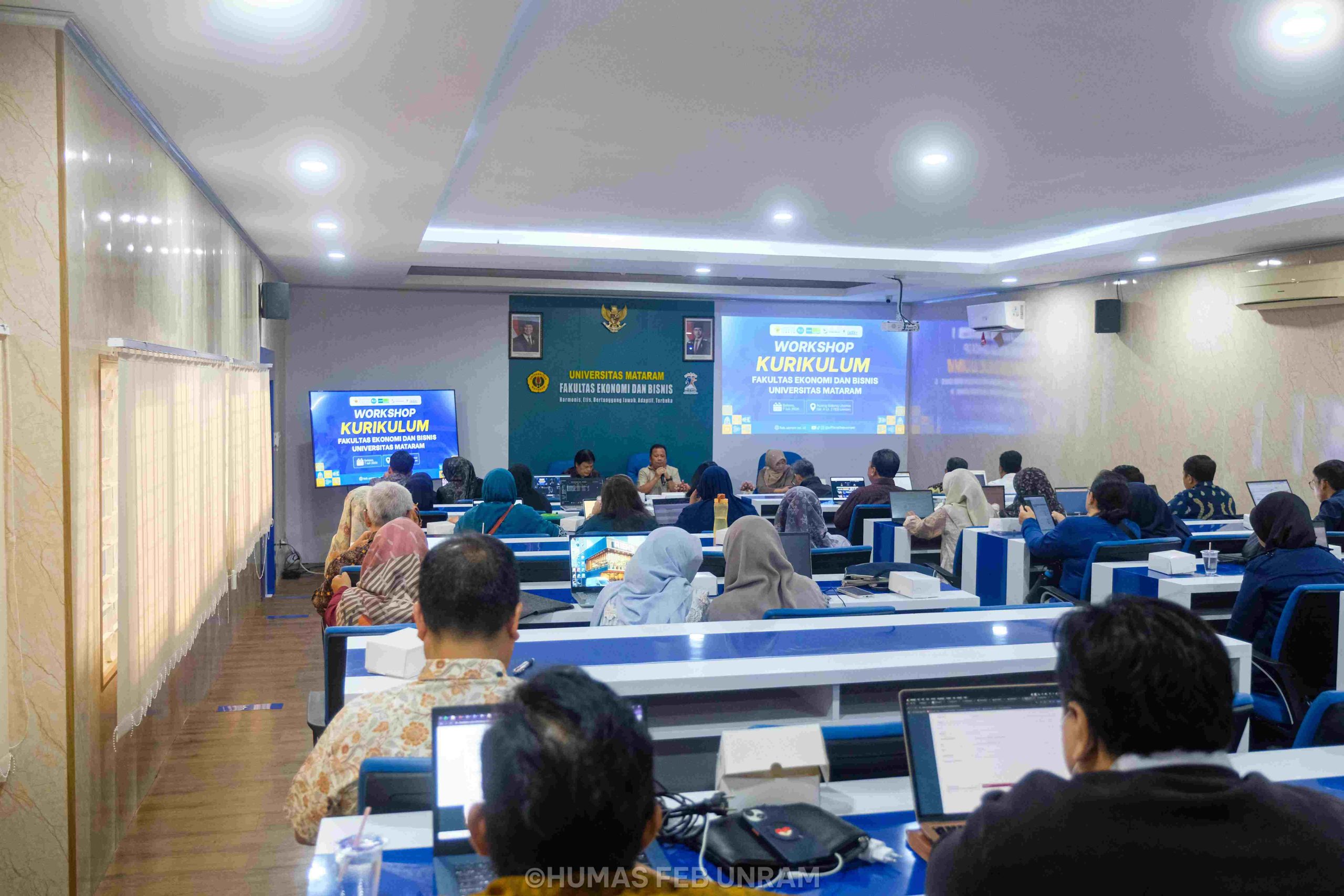
Mataram, July 7, 2026 – The Faculty of Economics and Business, Universitas Mataram (FEB Unram), organized the FEB Unram 2026 Curriculum Workshop on Tuesday (7/7) at the Main Conference Room of FEB Unram. The workshop featured Drs. I Made Sujana, M.A., Head of the Center for Curriculum and Learning Innovation at the Institute for Learning Quality Assurance and Educational Development (LPMPP), Universitas Mataram, as the keynote speaker. The event was attended by lecturers and study program administrators from across the faculty.
The workshop served as a strategic platform for aligning FEB Unram’s curriculum development with Indonesia’s evolving higher education policies, educational transformation agenda, and the changing needs of industry and society.
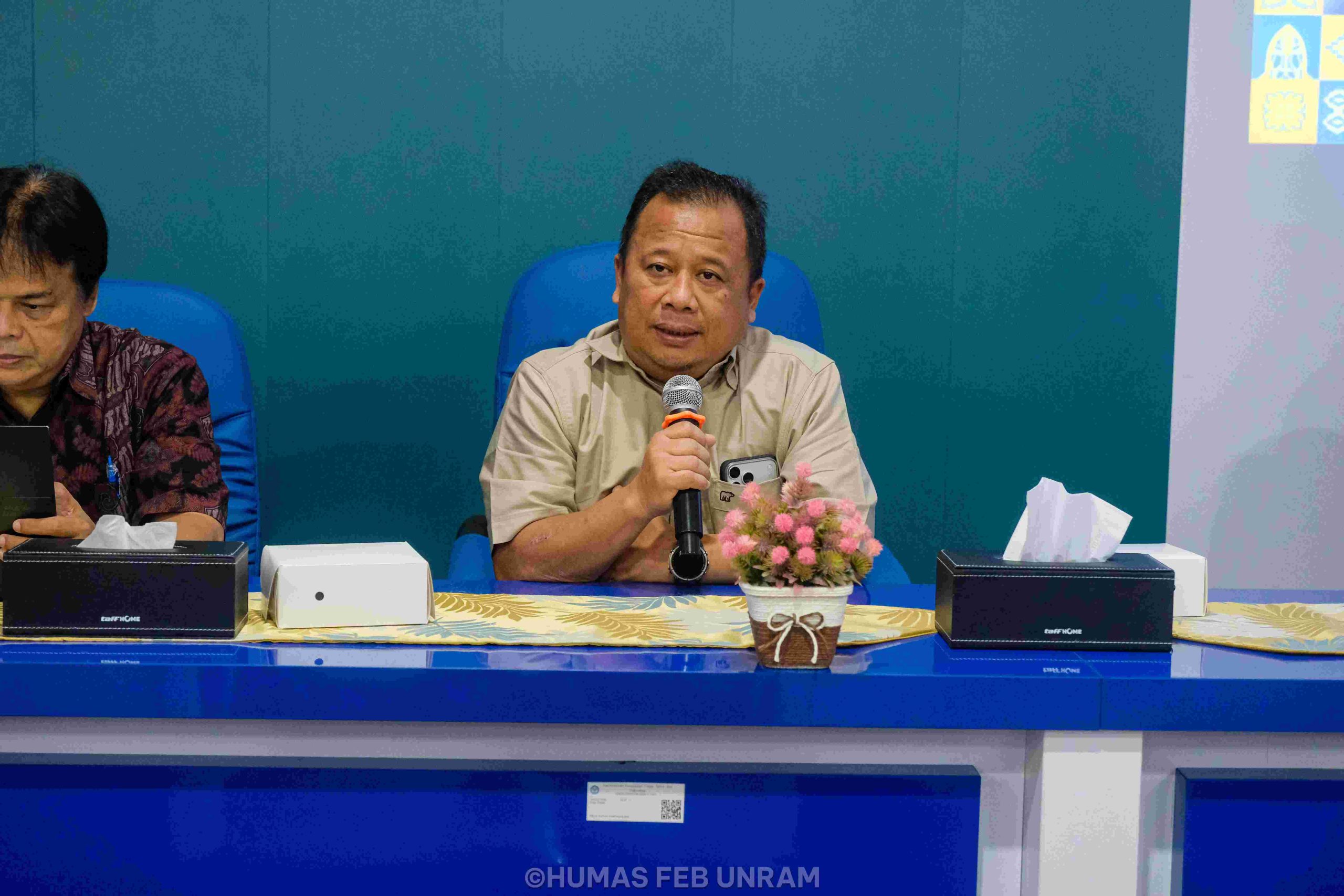
The event was officially opened by the Dean of FEB Unram, Dr. Ihsan Ro’is, M.Si., who emphasized that curriculum renewal is essential to respond to policy changes while ensuring graduates remain relevant and competitive.
“To keep pace with changes in higher education policies and the evolving needs of industry, we must continuously improve our curriculum. Various national initiatives, including the Campus with Impact Program, require us to develop a curriculum that produces adaptive, competent graduates capable of making meaningful contributions to society,” he stated.
In his presentation, Drs. I Made Sujana, M.A. explained that the future direction of higher education curriculum development is centered on the implementation of Outcome-Based Education (OBE), an approach that places graduate learning outcomes at the core of curriculum design. Under this framework, study programs are encouraged to ensure alignment between graduate profiles, learning outcomes, teaching strategies, assessment methods, and overall curriculum implementation.
He also highlighted the shift in educational philosophy toward Student-Centered Learning (SCL), where students take an active role in constructing knowledge while lecturers act as facilitators of learning. Participants were introduced to various innovative learning models, including project-based learning, module-based teaching, flipped learning, and collaborative learning, all of which are designed to strengthen students’ competencies and better prepare them for professional careers.
Another major topic of discussion was the importance of implementing continuous and integrated assessment. Rather than relying solely on midterm and final examinations, assessment should measure students’ achievement of learning outcomes throughout the learning process, allowing timely feedback and remediation whenever necessary.
The workshop also explored curriculum flexibility through the implementation of Recognition of Prior Learning (RPL), enabling students’ previous professional experiences, internships, certifications, entrepreneurial activities, and academic or non-academic achievements to receive formal academic recognition based on established institutional guidelines.
Recognizing the rapid advancement of technology, the speaker emphasized the importance of strengthening digital literacy within higher education. Artificial Intelligence (AI) was presented as a valuable tool to support learning, curriculum development, and academic activities, while stressing that its use must always be accompanied by critical thinking, academic integrity, and proper verification of information.
Participants also discussed the diversification of final project formats. In addition to traditional undergraduate theses, higher education institutions are encouraged to recognize alternative forms of academic achievement, such as research projects, business projects, innovative products, scientific publications, and other scholarly works that demonstrate graduate competencies.
Furthermore, Drs. I Made Sujana underscored that curriculum development should be evidence-based, drawing upon tracer study findings, alumni feedback, employer input, accreditation recommendations, and internal evaluations. He emphasized that curriculum enhancement must be carried out through the principles of Continuous Quality Improvement (CQI) to ensure sustainable academic quality and institutional excellence.
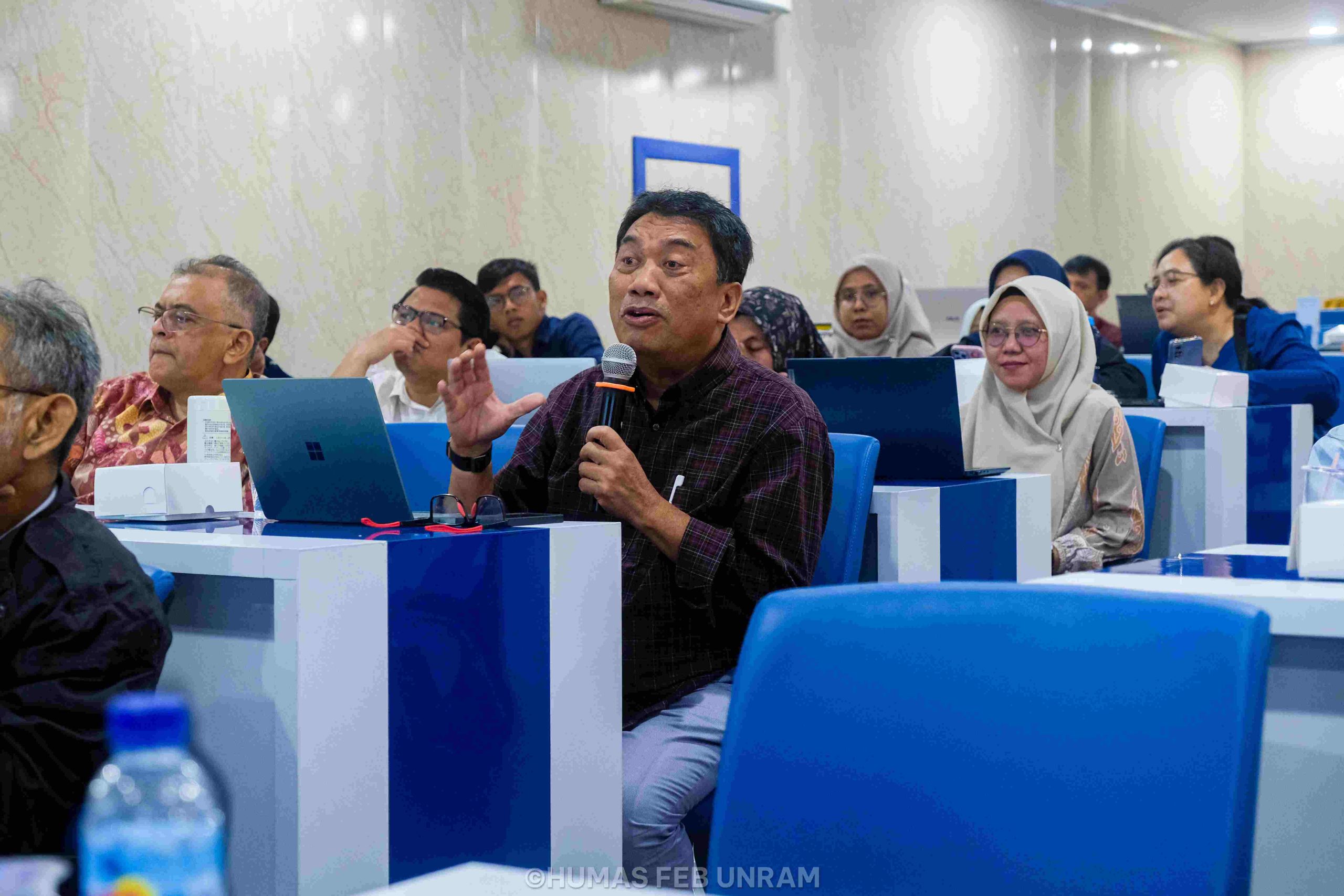
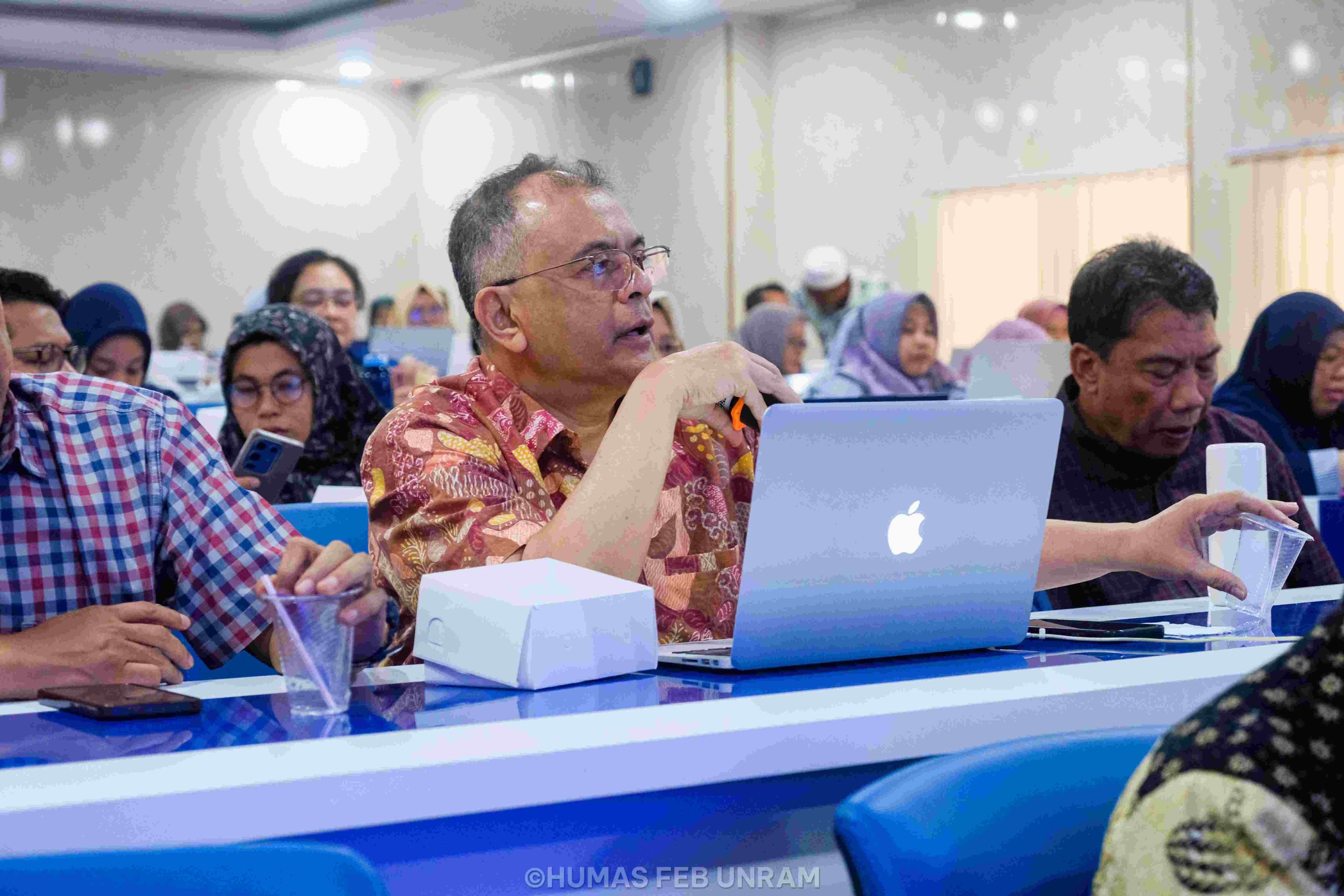
The workshop concluded with an engaging interactive discussion session, during which lecturers and study program administrators exchanged ideas and shared perspectives on curriculum implementation and educational policy. Among the active contributors were Prof. Dr. Akram, M.Si. and Prof. Dr. Mansur Afifi, whose insights enriched the discussion on strengthening curriculum quality and preparing study programs for future educational challenges.
Through the FEB Unram 2026 Curriculum Workshop, each study program is expected to develop a curriculum that is more adaptive, flexible, and outcome-oriented. This initiative represents an important step toward supporting the implementation of the Campus with Impact Program while producing graduates who are innovative, highly competent, globally competitive, and capable of creating meaningful contributions to society, industry, and national development.
Photographer: Ahmad Hufaezi
Editor: Chandra Priyadi, Baiq Nindi Arsiya, S.Sos.