FEB Unram Strengthens the Role of MCSTO, Encouraging NTB to Become a Global Model for Sustainable Tourism
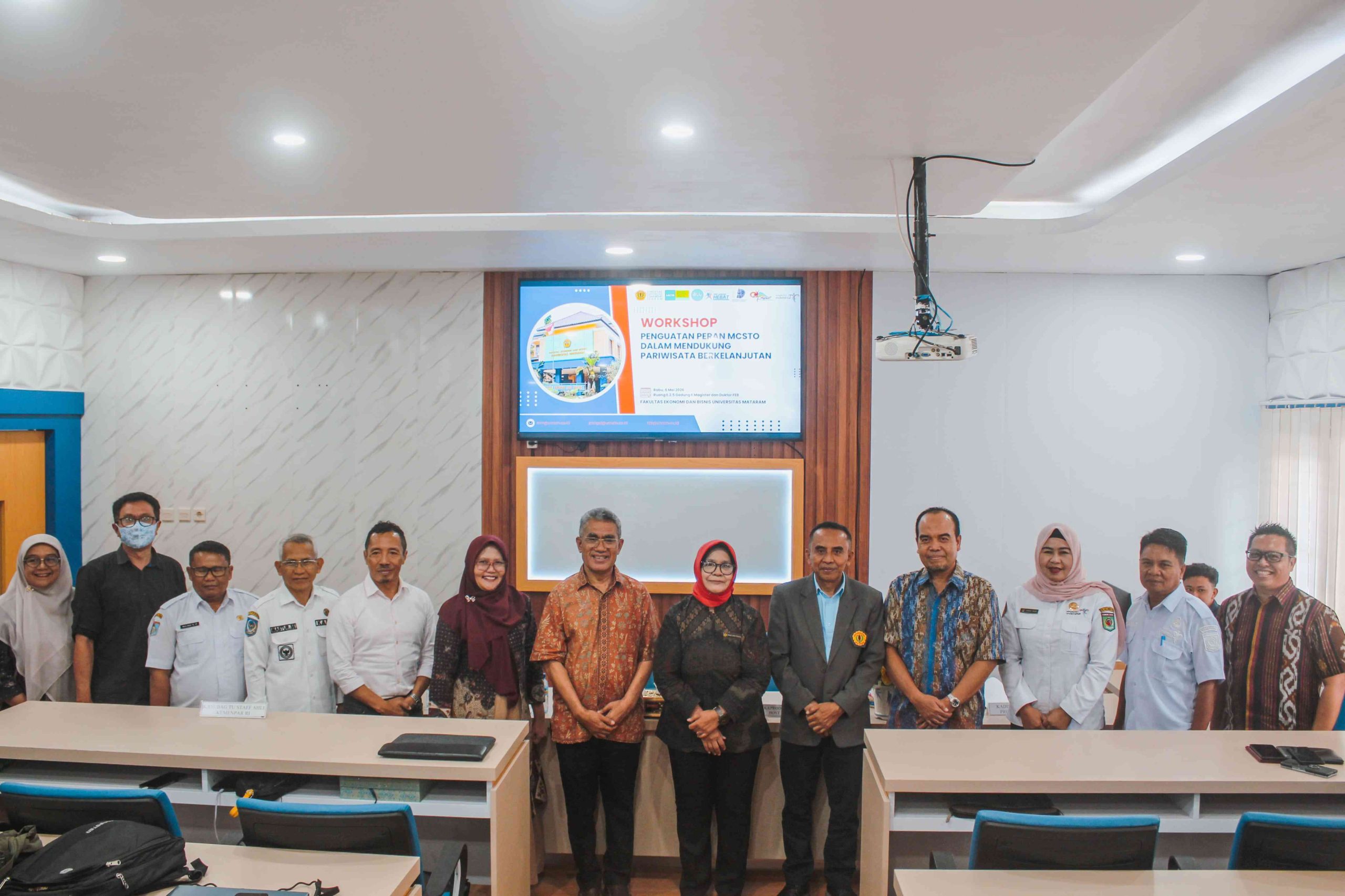
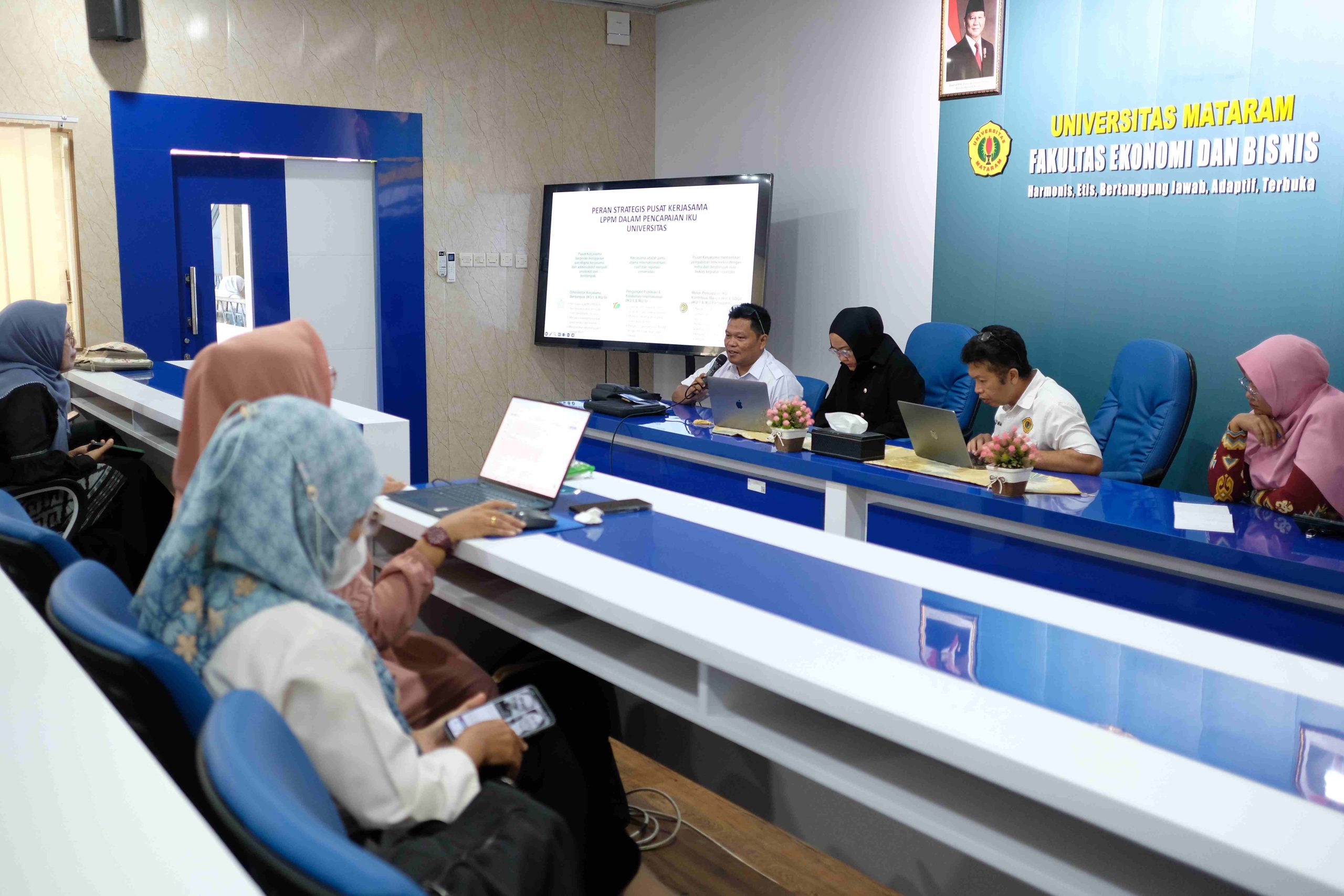
Mataram, May 6, 2026 – The Doctoral Program in Management of the Faculty of Economics and Business, Universitas Mataram, held a workshop titled Strengthening the Role of Monitoring Centre for Sustainable Tourism Observatory (MCSTO) in Supporting Sustainable Tourism on Wednesday (6/5) at Room E.2.5 FEB Unram. The workshop served as a strategic forum to strengthen collaboration among academics, government institutions, and stakeholders in supporting sustainable tourism development in West Nusa Tenggara (NTB).
The event was attended by the Vice Rector I for Academic Affairs Prof. Dr. Sitti Hilyana, M.Si., FEB Unram leadership, the management of the Doctoral Program in Management, representatives from the NTB Tourism and Creative Economy Office, the Expert Staff to the Minister for Sustainable Development and Conservation as well as Acting Chair/Secretary of the Indonesia Sustainable Tourism Council (ISTC) under the Ministry of Tourism of the Republic of Indonesia, along with various stakeholders concerned with sustainable tourism development.
The workshop activities included an opening session, the singing of the Indonesian national anthem, welcoming remarks, keynote presentations, and an interactive discussion session.
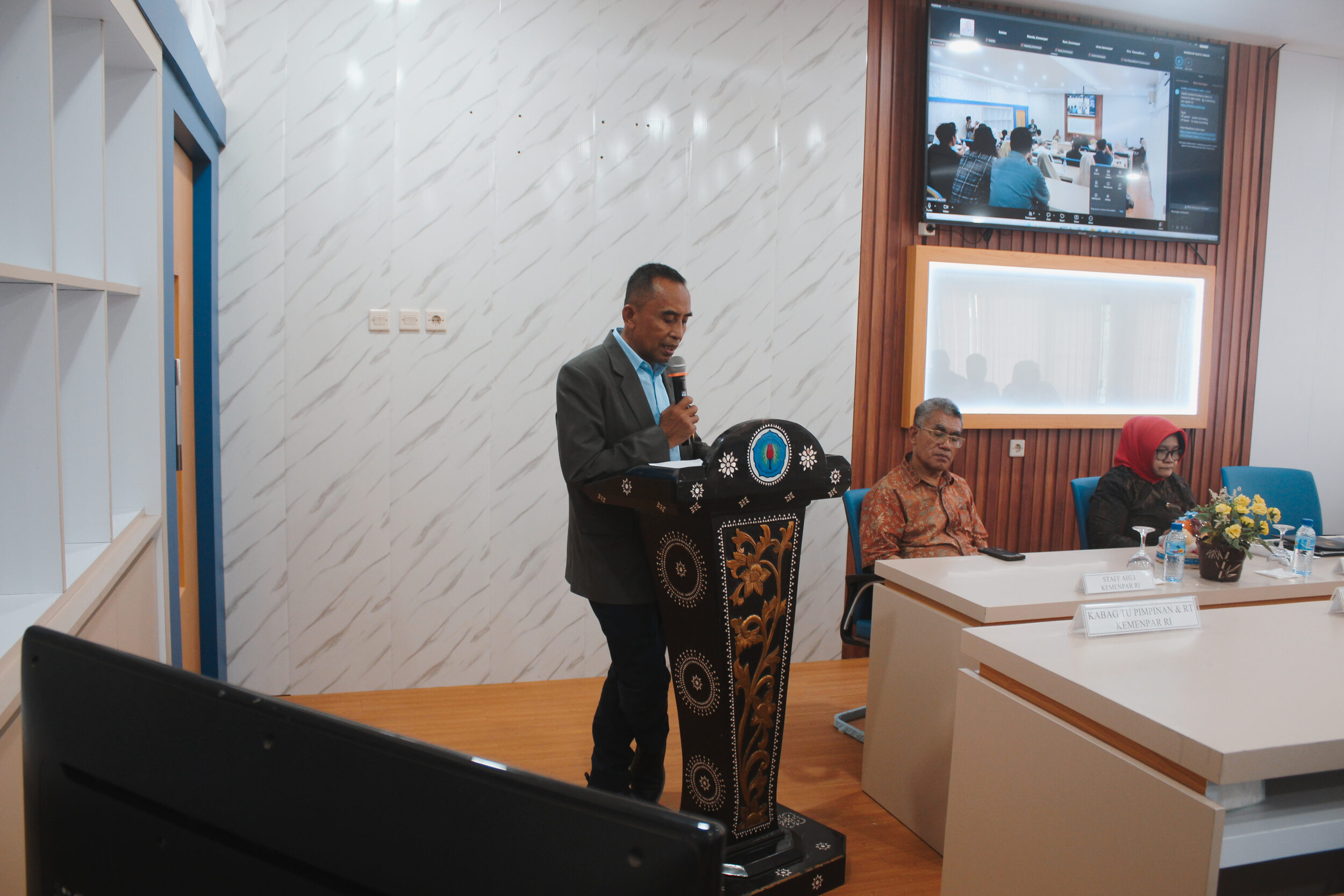
In his opening remarks, the Head of the Doctoral Program in Management FEB Unram, Prof. H. Agusdin, S.E., MBA., DBA., stated that the workshop was part of the university’s commitment to strengthening academic contributions toward regional development, particularly in the sustainable tourism sector.
“MCSTO plays a significant role as a monitoring and evaluation center for sustainable tourism development. Through this workshop, we hope to strengthen synergy among universities, government institutions, and stakeholders in creating tourism governance that is high-quality, inclusive, and sustainable,” he said.
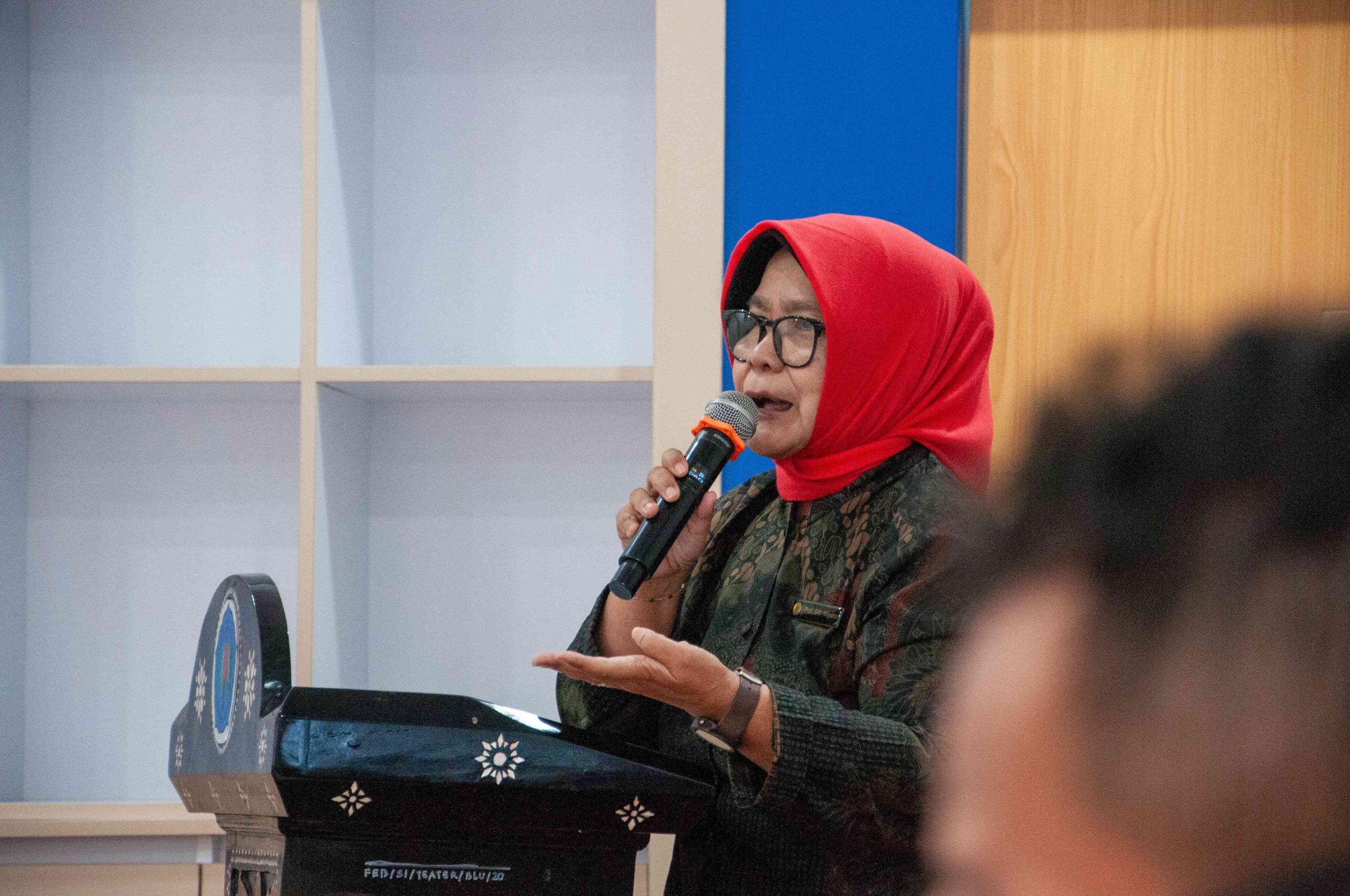
Meanwhile, Vice Rector I for Academic Affairs Prof. Dr. Sitti Hilyana, M.Si. emphasized Universitas Mataram’s commitment to supporting impactful research and innovation for society.
“Universities have both academic and social responsibilities to provide solutions to development challenges, including in the tourism sector. Through strengthening MCSTO, Universitas Mataram is expected to become a center for research and monitoring that supports data-driven policymaking and promotes resilient and sustainable tourism development in NTB,” she stated.
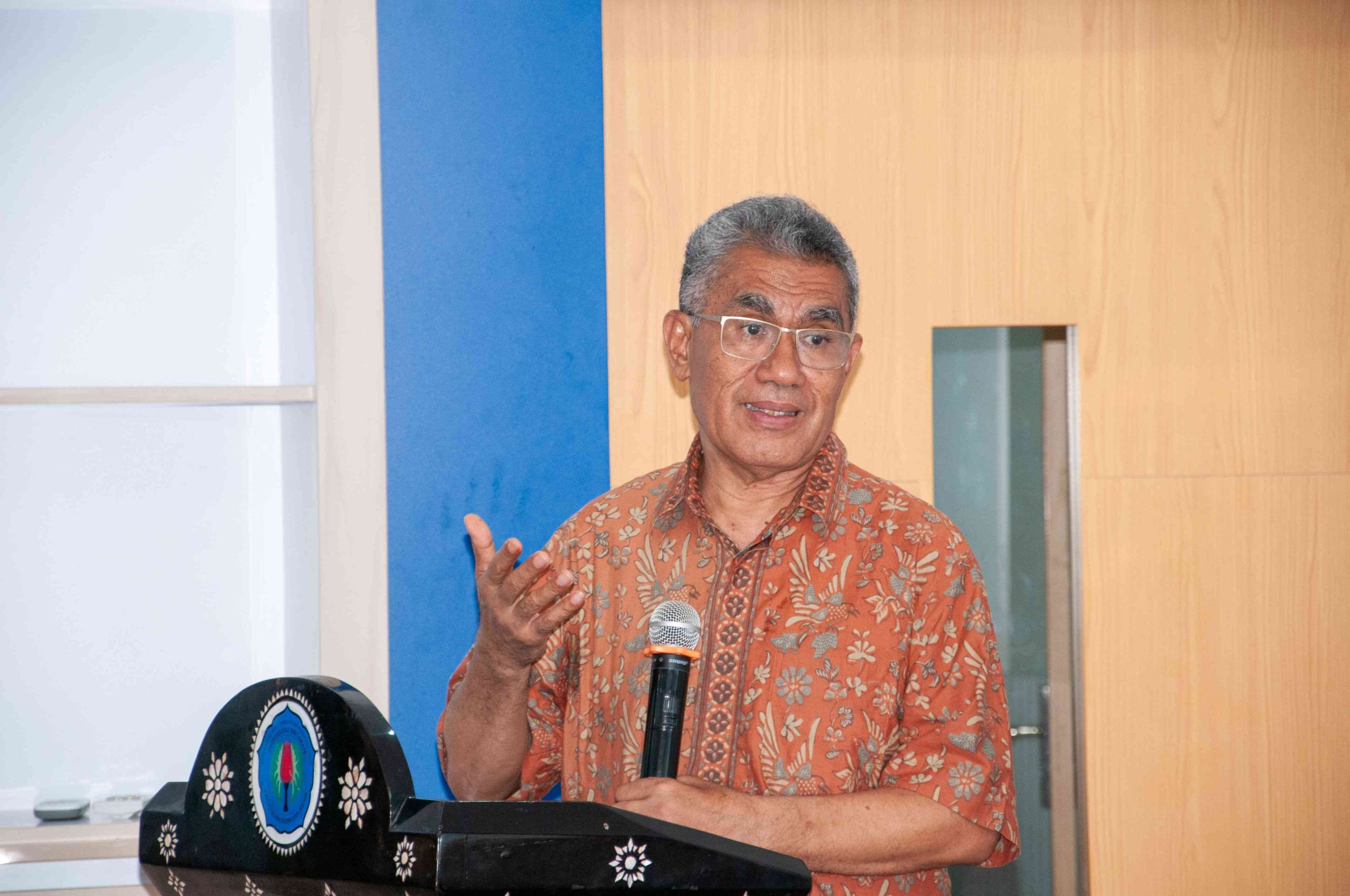
The first presentation was delivered by Dr. Frans Teguh, M.A., CHE. with the topic Key Introduction to Sustainable Tourism Policy and STO. In his presentation, he explained that sustainable tourism is a development approach that considers economic, social, and environmental impacts in a balanced manner to meet the needs of tourists, industry, the environment, and local communities.
He also elaborated on the role of the Sustainable Tourism Observatory (STO) as an important instrument for monitoring tourism sustainability through systematic and consistent measurements of economic, socio-cultural, and environmental indicators. Furthermore, he highlighted the position of MCSTO Universitas Mataram as part of Indonesia’s STO network, which has been recognized within the UN Tourism International Network of Sustainable Tourism Observatories (INSTO).
The second presentation was delivered by Dr. H. Akhmad Saufi, S.E., M.Bus., Ph.D. under the theme A Decade of MCSTO UNRAM: Monitoring Sustainable Tourism amid Uncertainty with Resilience. He highlighted MCSTO Unram’s decade-long journey in monitoring sustainable tourism development in Lombok and emphasized the importance of resilience and adaptability amid global challenges, including climate change, economic dynamics, and disaster risks.
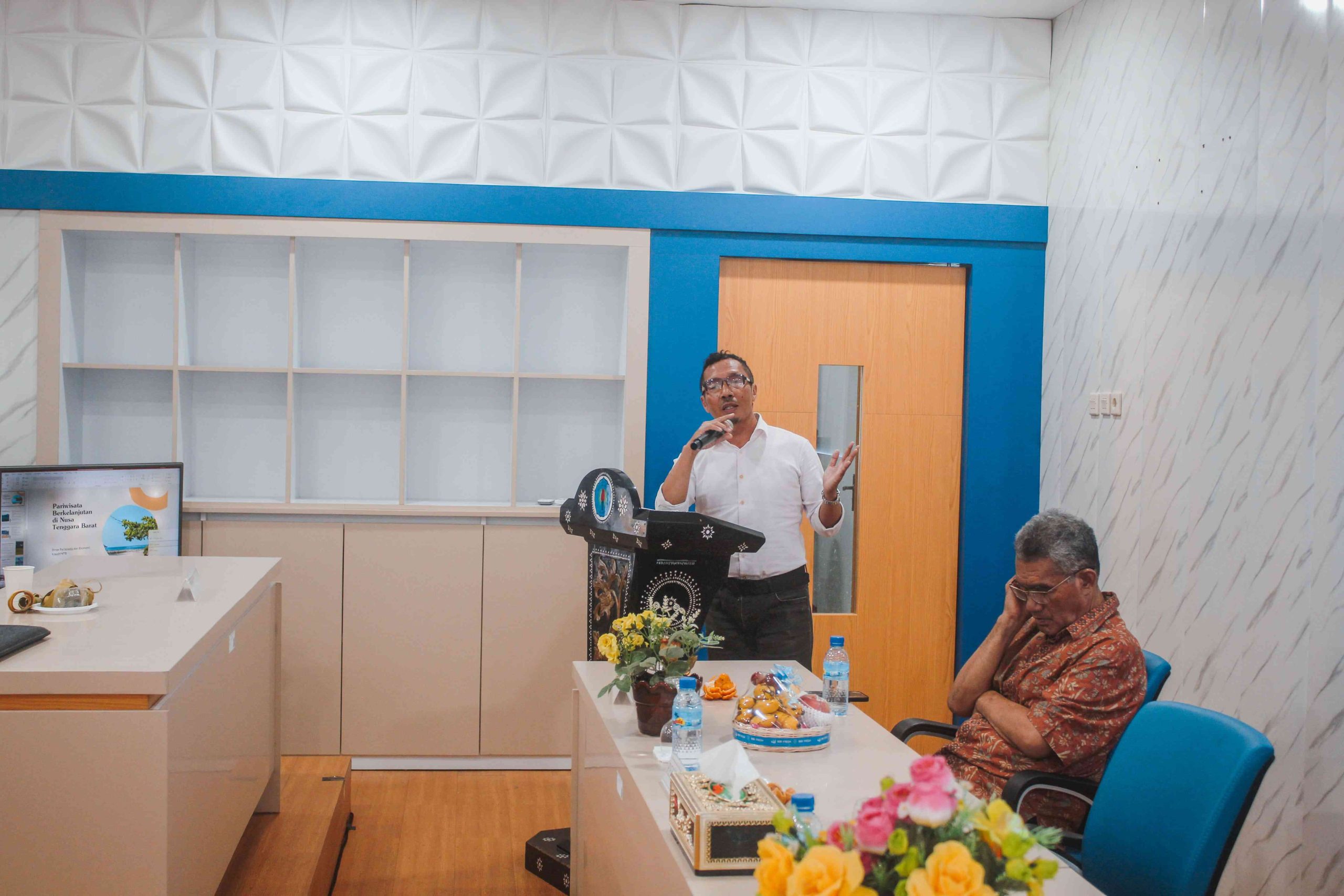
The final presentation was delivered by a representative of the NTB Tourism and Creative Economy Office, Chandra Aprinova, AKS., MP., who discussed sustainable tourism development in West Nusa Tenggara. In his presentation, he explained that sustainable tourism development in NTB must balance economic, socio-cultural, and environmental aspects.
He also highlighted several strategic tourism issues in NTB, such as over-tourism in the Gili Trawangan area, marine environmental degradation, human resource quality, and disaster risks that require integrated and sustainable management approaches. In addition, concepts such as quality tourism, strengthening tourism villages, tourism digitalization, and ecology-based destination development were emphasized as important strategies for NTB’s future tourism development.
The event concluded with an interactive discussion session in which participants actively exchanged ideas regarding the strengthening of sustainable tourism monitoring, data-driven policymaking, and the challenges of implementing sustainable tourism concepts at the regional level.
Through this workshop, the Doctoral Program in Management FEB Unram hopes that strengthening the role of MCSTO will further support sustainable tourism development in West Nusa Tenggara while reinforcing Universitas Mataram’s position as an academic and research institution that contributes to regional and national development.